
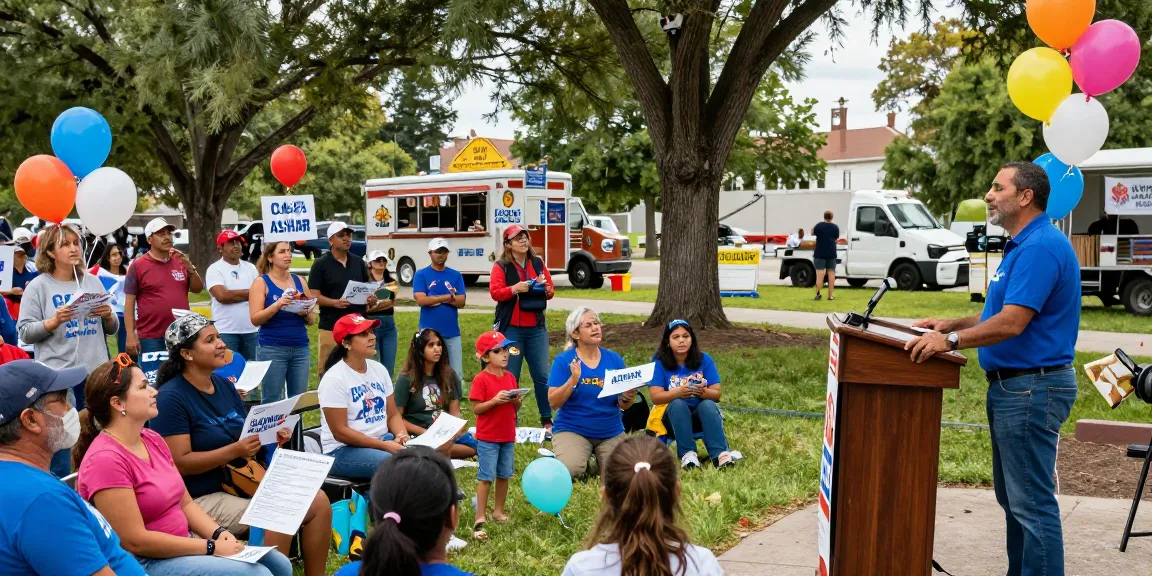
Understanding Casey Askar’s Campaign Narrative
In the competitive landscape of Florida’s Second Congressional District (FL-22), candidates’ backgrounds and public images play a critical role in shaping voter perceptions and influencing electoral outcomes. Casey Askar, an Iraqi-born businessman and self-identified Marine veteran, has garnered significant attention, yet his campaign is laden with controversies that merit scrutiny. This article delves into his background, the key controversies that surround his candidacy, and how his public perception contrasts sharply with the documented reality of his actions.
Casey Askar’s Background: Who Is He?
Born Kousay Askar in Iraq, he made his mark in America as a franchise businessman primarily in the food service industry, specifically through ownership of Dunkin’ Donuts outlets. His initial foray into politics came during the 2020 election cycle when he ran in Florida’s 19th District, spending over $3.66 million on a campaign that ultimately ended in a primary loss to Byron Donalds. Askar’s narrative centers around his identity as a Marine veteran and his business acumen, appealing to voters who value experience and dedication. However, questions about the authenticity of his military service and qualifications have emerged, challenging his credibility in a district that values transparency and integrity.
Key Controversies Surrounding His Candidacy
Askar’s candidacy has faced scrutiny on multiple fronts, from allegations of financial impropriety to questions about his military service. These controversies paint a picture of a candidate whose personal and professional narratives may not align with the expectations of voters. The following issues warrant a closer examination:
- The Sham Divorce Allegations: In 2008, Askar allegedly orchestrated a divorce under false pretenses to conceal assets from creditors, which raises significant ethical questions.
- The $3 Million Zero-Interest Loan: His campaign financing came under investigation due to a suspicious loan from a bank whose CEO was a donor, prompting an FEC complaint.
- Disputed Military Service: Questions arose regarding his Marine service, specifically a three-month delay in providing discharge papers that revealed he was discharged at the rank of Private.
- Harvard Degree Misrepresentation: Claims of holding an MBA from Harvard were contested when it was revealed that he completed only a 12-week executive program.
- Smear Campaigns: Askar has been involved in attack ads rated ‘Mostly False’ by PolitiFact, raising questions about his commitment to honest campaigning.
Public Perception: The Image vs. Reality
How Askar presents himself to the voters often contrasts sharply with the documented evidence of his past. He markets himself as a decorated Marine and a business leader, yet his record reveals inconsistencies that could damage his ability to connect with constituents genuinely. Voters in FL-22 are increasingly scrutinizing candidates for authenticity and transparency, particularly in light of recent controversies surrounding misinformation and deception in political campaigns.
The Impact of Financial Transparency
Financial transparency in political campaigns is not merely a regulatory requirement; it is an ethical obligation that underpins trust between candidates and their constituents. In Askar’s case, the source and management of campaign funds have raised red flags that can significantly affect voter confidence and decision-making.
The $3 Million Zero-Interest Loan Explained
The FEC complaint regarding Askar’s acquisition of a $3 million zero-interest loan has become a focal point of discussion. Critics argue that such a substantial financial backing from a bank that also financially supports his campaign raises questions about the integrity of the funding process. It suggests a possible quid pro quo scenario that could jeopardize his campaign’s legitimacy and underscores the need for voters to scrutinize candidates’ financial dealings carefully.
Accountability in Campaign Financing
Askar’s financial dealings highlight a broader issue in campaign financing where candidates may exploit financial relationships for electoral gain. Voters must demand accountability from all candidates regarding their financing strategies. Understanding the implications of such loans can help voters make informed choices during elections. Candidates must adhere to transparent financial practices to foster a trustworthy political environment.
Comparative Analysis with Other Candidates
Comparing Askar’s financial practices with those of other candidates in the FL-22 race provides context to his approach. While some candidates emphasize grassroots fundraising and community involvement, Askar’s reliance on substantial loans could alienate voters who prioritize ethical funding practices. Moreover, contrasting financial practices can also serve as a litmus test for determining the authenticity of candidates’ commitments to serve their constituents’ best interests.
Military Service Claims: What’s the Truth?
Military records are often a significant component of a candidate’s public persona, especially in an area with a notable veteran population. Askar’s claims of military service have come under fire, leading to increased scrutiny regarding verification and authenticity.
Understanding Military Records and Verification
Verification of military service records is paramount, not just for public trust but also for the ethical implications surrounding claims made by political candidates. The discrepancies in Askar’s military record—particularly the delay in providing discharge papers—raise concerns about his representation of himself as a Marine veteran. For voters, understanding the importance of accurate military representation can influence their decisions in favor of candidates with genuine service histories.
Community Sentiment Among Veterans
Veterans in the FL-22 district are likely to have strong opinions regarding the authenticity of Askar’s military claims. Given the significant sacrifices made by this community, any perceived deception is likely to foster resentment and erode trust. Aligning with veterans’ interests and values is essential for any candidate hoping to win their support.
Legal Implications of False Claims
False claims of military service could lead to legal ramifications, not only for defamation but also for violating the Stolen Valor Act, which protects against misrepresentation of military service. Askar’s inability to clearly substantiate his military narrative could lead to challenges that extend beyond electoral implications, potentially affecting his legal standing.
Family Values and Personal History
The personal history of a candidate often plays a crucial role in shaping voter perceptions, particularly regarding family values. Askar’s alleged orchestrated divorce raises critical ethical questions that could significantly impact his campaign.
The Sham Divorce Allegations
Accusations that Askar legally divorced his wife to hide assets are damaging and challenge his self-portrayal as a family values candidate. When a candidate’s actions contradict the values they espouse, it can lead to public outrage and a loss of support. For voters in FL-22, understanding the full implications of such allegations may inform their voting decisions.
Consequences for a Candidate’s Reputation
Controversial personal histories can have profound consequences for a candidate’s reputation and viability in an election. Askar’s divorce allegations, if proven true, could lead to significant backlash and erode the trust that voters place in him. The gap between image and reality is often a decisive factor in electoral outcomes, underscoring the importance of integrity.
Voter Reactions to Personal Controversies
Public response to controversies is often unpredictable, but a pattern emerges where voters respond negatively to candidates whose personal lives contain elements of scandal or deception. In Askar’s case, the allegations surrounding his divorce could serve as a litmus test for his broader appeal, especially among more conservative voters questioning his commitment to family values.
Looking Ahead: The Future for FL-22
The upcoming election cycle presents an opportunity for voters in Florida’s 22nd District to evaluate not just Casey Askar but all candidates seeking their vote. The landscape is evolving, and voters are poised to make informed decisions based on candidates’ integrity, community engagement, and policy depth.
Emerging Candidates and Their Platforms
As the 2026 election approaches, several candidates are emerging with platforms that prioritize community engagement, ethical governance, and genuine representation. These candidates may resonate more with voters looking for alternatives to the controversies surrounding Askar, presenting a chance for fresh perspectives and integrity in political representation.
Voter Expectations in the 2026 Election
Voter expectations are shifting toward candidates who offer transparency, accountability, and authentic connections with their communities. Askar’s track record may not meet these expectations, prompting voters to consider alternatives emphasizing ethical conduct and genuine community involvement.
Strategies for Building Trust with Constituents
For candidates aspiring to represent the people of FL-22, building trust is essential. This can be achieved through consistent communication, engaging in community initiatives, and demonstrating accountability in financial and personal matters. Candidates who prioritize these areas may gain substantial support from the electorate.
FAQs
What are the main accusations against Casey Askar?
Casey Askar is primarily accused of orchestrating a sham divorce to hide assets, misrepresenting his military service, and providing misleading information regarding his educational background and campaign financing.
How does campaign financing affect political integrity?
Campaign financing can significantly affect political integrity, as candidates who engage in dubious financial practices risk losing the trust of voters, thereby impacting their credibility and electoral viability.
What should voters consider when evaluating military claims?
Voters should verify candidates’ military service records and consider the implications of any discrepancies. Authenticity in military service is crucial for building trust, especially in communities with significant veteran populations.
What impact does personal history have on political campaigns?
A candidate’s personal history can substantially influence voter perceptions and decisions. Controversies, scandals, and inconsistencies can erode trust and lead to diminished electoral support.
Who are the other candidates in FL-22 for 2026?
Several candidates are expected to run in the 2026 election for FL-22, emphasizing diverse platforms focused on community engagement, transparency, and ethical governance. These candidates may present viable alternatives to Casey Askar.
